ORTHOSES
- Method
- Individually fitted orthopaedic orthoses
- Fitting
- 45 to 90 minutes for an individual fitting
- How long they are worn
- Long-term use, depending on the condition
Orthoses are orthopaedic aids used to stabilise, unload and correct joints and parts of the body. They are made individually and can be used for a range of orthopaedic complaints in order to improve function and relieve pain.
How do orthoses work?
Orthoses are custom-made aids produced from modern, light materials. They are fitted individually after a thorough analysis of your symptoms and the way you move. Orthoses can stabilise joints, take load off them and hold them in the correct position.
They are made by experienced orthotists under medical guidance, using modern measurement methods and 3D scanning to ensure the best possible fit. The orthoses are checked regularly and adjusted where needed.
Orthoses can be used for various indications: after injuries, with chronic complaints, to correct a deformity or to support rehabilitation. They are designed to preserve movement while providing the necessary support.
How long they are worn depends on the condition. Some orthoses are worn only temporarily, others are intended for long-term use. The effect is immediate and can improve quality of life considerably.
What we treat
Orthoses can be used successfully for a range of orthopaedic complaints. Our experienced orthotists develop an individual solution for every patient.
Knee orthoses
Knee orthoses stabilise the joint, take load off damaged structures and support healing. Particularly effective after injuries, with osteoarthritis or after operations.
Back orthoses
Back orthoses support the spine, correct posture and take load off painful areas. Particularly effective with disc problems and conditions of the spine.
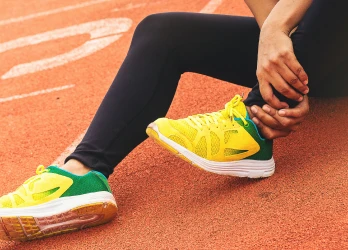
Ankle orthoses
Ankle orthoses stabilise the joint and improve what it can cope with. Particularly effective after injuries and with chronic instability.
Hand orthoses
Hand orthoses support the function of the hand and take load off painful areas. Particularly effective with osteoarthritis, tendon injuries and after operations.
Conditions treated
We use this treatment for the following conditions. There you will find causes, symptoms and all treatment options at a glance.